Why First Holy Communion Matters So Much for Your Child
4/24/2026
Your child dressed in white, walking toward the altar to receive Jesus for the very first time—it's a moment that stays with parents forever. But beyond the photographs and celebration, something profound is happening.
First Holy Communion marks the beginning of your child's personal relationship with Christ through the Eucharist. This guide walks through what makes this sacrament so significant, how to prepare your family, and ways to nurture your child's faith long after the ceremony ends.
Key Takeaways
- First Holy Communion marks the moment a Catholic child receives the Eucharist for the first time, typically around age seven, when the Church considers them at the "age of reason."
- Catholics believe the Eucharist is the Real Presence of Christ—not a symbol—making First Communion the beginning of a lifelong personal relationship with Jesus through the sacrament.
- Preparation for First Communion involves parish religious education classes, First Reconciliation (confession), and family practices like prayer, Scripture reading, and conversations about the Last Supper.
- Parents play the most significant role in helping children understand the Eucharist, and continuing weekly Mass attendance and faith-based activities after the ceremony sustains the spiritual foundation established at First Communion.
Why First Communion Is Such an Important Milestone
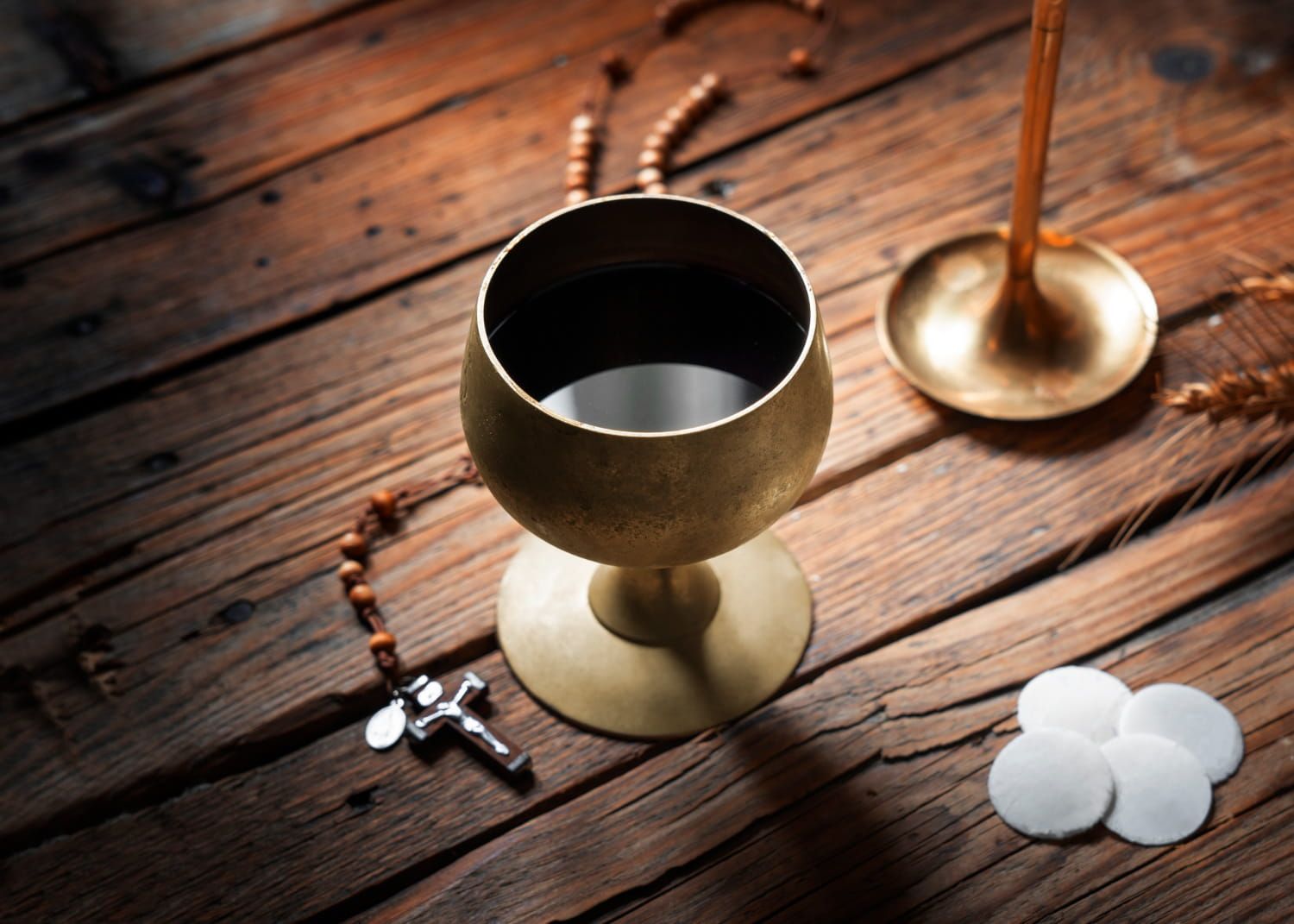
First Holy Communion is the moment when a child receives the Eucharist—the body and blood of Christ—for the very first time. In Catholic teaching, the Eucharist isn't a symbol. It's Jesus Himself, truly present under the appearance of bread and wine. So when your child walks up to receive Communion, they're beginning a relationship with Christ that will continue for the rest of their life.
This is why Catholic families treat First Communion as one of the most significant days in a child's spiritual journey. It's not just a ceremony or a rite of passage. It's an encounter with Jesus that changes everything.
In Matthew 19:14, Jesus said, "Let the little children come to me, and do not hinder them." First Communion is one way children answer that invitation—walking right up to Jesus and receiving Him.
- Spiritual encounter: Your child meets Jesus in the Eucharist for the first time
- Faith foundation: Regular Communion becomes a source of grace throughout life
- Church belonging: Your child joins the community of believers at the Lord's table
What Is First Holy Communion in the Catholic Church

First Holy Communion refers to the first time a baptized Catholic receives the Eucharist during Mass. The Eucharist is one of seven sacraments in the Catholic Church—sacred rituals that convey God's grace. While many Christian traditions practice Communion, Catholic teaching holds that the bread and wine become the actual body and blood of Christ during the consecration at Mass.
Children don't simply show up and receive. They go through a period of preparation, learning what the Eucharist means and why it matters.
Where First Communion Fits Among the Seven Sacraments
The Catholic Church recognizes seven sacraments, each marking different moments in the spiritual life:
- Baptism: Entry into the faith
- Reconciliation: Confession of sins before receiving Communion
- Eucharist: Receiving Christ's body and blood
- Confirmation: Strengthening of baptismal grace
- Matrimony: The sacrament of marriage
- Holy Orders: Ordination to priesthood
- Anointing of the Sick: Spiritual comfort during illness
First Communion typically follows Baptism and First Reconciliation. Most children make their First Confession shortly before receiving Communion, preparing their hearts to receive Christ.
When Is First Communion for Catholics
Most Catholic children receive First Communion around age seven. The Church calls this the "age of reason"—when children can begin to understand the difference between ordinary bread and the Eucharist.
Preparation usually involves religious education classes at the parish over several months. Yet what happens at home often shapes a child's understanding more than any classroom instruction.
What the Eucharist Means for Your Child's Faith
The Eucharist stands at the center of Catholic worship. Understanding what it means helps parents explain its importance in ways that resonate with young hearts.
The Real Presence of Christ Explained Simply
Catholics believe that during Mass, the bread and wine become the actual body and blood of Jesus. This teaching is called the Real Presence. The bread and wine still look and taste the same, but their substance has changed completely.
How do you explain this to a seven-year-old? One approach: remind them that Jesus can do anything. He turned water into wine, healed the sick, and rose from the dead. Transforming bread and wine into His body and blood is another miracle He performs because He wants to be close to us.
At the Last Supper, Jesus took bread and said, "Do this in remembrance of me" (Luke 22:19). Every Mass continues what Jesus started that night.
Spiritual Benefits of Receiving Holy Communion
The Church teaches that receiving the Eucharist brings specific graces:
- Union with Christ: Communion draws your child closer to Jesus
- Spiritual strength: The Eucharist nourishes the soul the way food nourishes the body
- Forgiveness of venial sins: Receiving worthily cleanses minor sins
- Connection to the Church: Communion unites believers as the Body of Christ
What the Bible Says About Children and Communion

Scripture provides the foundation for understanding why children belong at the Lord's table.
- Matthew 19:14: "Let the little children come to me"—Jesus welcomes children into His presence
- John 6:35: "I am the bread of life"—Jesus offers Himself as spiritual nourishment
- 1 Corinthians 11:23-26: Paul recounts the Last Supper, reminding us that Communion proclaims the Lord's death until He returns
The Eucharist isn't merely tradition. It's rooted in Christ's own words and actions.
How to Prepare Your Child for the Sacrament of First Holy Communion
Preparation involves both formal instruction and family faith. Parents play the most important role in helping children understand what they're about to receive.
1. Attend Preparation Classes as a Family
Most parishes offer First Communion preparation programs. Many also provide parent sessions. Participating alongside your child signals that faith matters to your whole family, not just to the child preparing for the sacrament.
2. Talk About Jesus and the Last Supper at Home
Reading the Last Supper accounts in Matthew 26 or Luke 22 together opens natural conversations. Ask questions like, "Why do you think Jesus wanted to share this special meal with His friends?" or "How do you feel knowing Jesus wants to be that close to you?"
3. Practice Prayer and Reflection Together
Children who already have prayer habits find it easier to approach Communion with reverence. Simple practices—grace before meals, bedtime prayers, a morning offering—build the spiritual habits that make receiving the Eucharist feel natural.
4. Read Bible Stories That Build Understanding
Stories about Jesus's love, His miracles, and His sacrifice help children grasp why Communion matters. Faith-based games and media can reinforce these lessons in engaging ways. Apps like TruPlay offer stories rooted in biblical truth that complement what children learn in formal preparation.
5. Visit Your Church Before the Ceremony
A quiet visit to your parish church helps children feel comfortable in the sacred space. Point out the altar where the priest consecrates the Eucharist, the tabernacle where the Blessed Sacrament is reserved, and where your child will walk to receive Communion.
What Happens During a First Communion Ceremony
Knowing what to expect helps both parents and children approach the day with peace.
Part of the Mass What Happens Procession Children enter together, often in special attire Liturgy of the Word Scripture readings and homily about the Eucharist Liturgy of the Eucharist The priest consecrates the bread and wine Receiving Communion Children approach the altar to receive for the first time Blessing and Dismissal Final prayers conclude the celebration
Most First Communion Masses last about an hour, though this varies by parish.
How to Keep the Celebration Focused on Faith
The temptation to turn First Communion into an elaborate party is real. Celebration is appropriate—this is a joyful occasion. Yet keeping Jesus at the center ensures the day's true meaning isn't lost.
Choose Meaningful Gifts Over Extravagant Ones
Gifts that support ongoing faith formation serve children better than expensive toys:
- A rosary for developing prayer habits
- A children's Bible for continued Scripture engagement
- A saint medal as a daily reminder of faith
- A subscription to faith-based apps that reinforce biblical values
Make the Day About Encounter With Jesus
After the ceremony, take a quiet moment with your child. Ask how they felt receiving Communion. What did they think about? Did they talk to Jesus? Simple conversations help children process the experience and recognize its significance.
Help Family Members Understand the Spiritual Significance
Not everyone attending may understand what First Communion means. A brief explanation helps relatives appreciate why this day matters. It's not just a milestone like a birthday—it's a spiritual turning point.
Continuing Your Child's Faith Journey After First Communion
First Communion is a beginning, not a destination. The grace received that day is meant to be renewed throughout your child's life.
Build Habits of Regular Mass and Prayer
Weekly Mass attendance ensures your child continues receiving the Eucharist regularly. Family prayer routines—even brief ones—keep the conversation with God going between Sundays.
Use Faith-Based Stories, Games, and Media
What children watch and play shapes their hearts. Surrounding them with content that reinforces biblical values supports the formation that began with First Communion preparation.
Keep Conversations About God Going
Faith grows through ongoing dialogue. Ask your child what they learned at Mass. Discuss how Bible stories apply to situations they face. Wonder together about questions that don't have easy answers.
Growing Your Child's Faith Through Stories and Play

First Communion opens a door, but walking through it requires continued nurture. The stories children hear, the games they play, and the media they consume all contribute to their spiritual formation.
Finding entertainment that aligns with Christian values can feel challenging. Yet it matters deeply. Children absorb messages from what they watch and play, and those messages shape how they understand God, themselves, and the world.
At TruPlay, we create games and stories designed to reinforce the faith children encounter at church and at home. Our content draws kids into adventures where biblical truth comes alive—without being preachy.
Get started with your free 7-day trial today and turn game time into God time for your family. Download the TruPlay app from the Apple App Store or Google Play to unlock a safe, fun, and faith-filled entertainment experience for your kids.
First Communion is a beautiful milestone. With intentional follow-through, it becomes the foundation for a lifetime of walking with Jesus.
FAQs
What if my child asks questions about the Eucharist that I cannot answer?
This happens to every parent. It's perfectly fine to say, "That's a great question—let's find out together." Your parish priest can help, and exploring questions together often strengthens faith more than having all the answers.
Can children receive First Communion if their parents are not practicing Catholics?
Policies vary by parish, but most welcome children whose families are open to the preparation process. Contact your local parish to discuss your situation.
What is the difference between First Communion and Confirmation?
First Communion is receiving the Eucharist for the first time, typically around age seven. Confirmation comes later and involves affirming baptismal promises and receiving a special outpouring of the Holy Spirit.
How long does a First Communion ceremony typically last?
Most First Communion Masses run about an hour, though larger groups or more elaborate liturgies may extend the time slightly.