Teaching Kids the Fruits of the Spirit Through Play and Practice
3/27/2026
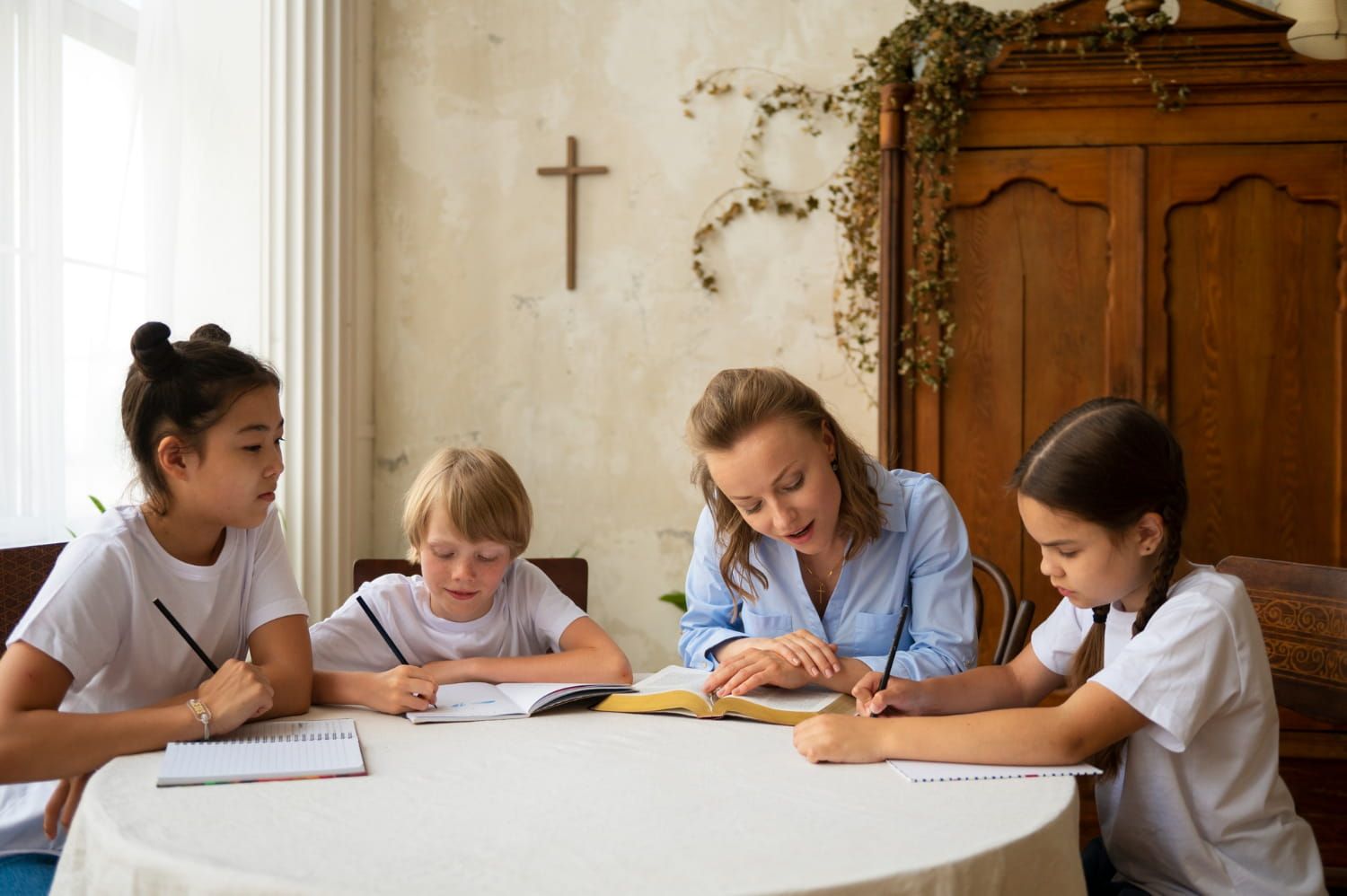
You can teach your kids about love, joy, and patience all day long—but watching them actually live out those virtues? That's a different challenge entirely. The Fruits of the Spirit aren't behaviors we can simply instruct into existence. They grow over time, cultivated by the Holy Spirit as children stay connected to Jesus through faith, prayer, and practice.
This guide walks through what each fruit means in kid-friendly terms, why play is one of the most effective tools for spiritual formation, and practical activities families can use to nurture these qualities at home.
What Are The Fruits Of The Spirit In Galatians 5
Kids grow the Fruits of the Spirit by nurturing a daily relationship with Jesus, acting as branches connected to a vine. The key methods include praying for growth, memorizing Scripture (especially Galatians 5:22-23), modeling Christ-like behavior, and practicing acts of service. Unlike good behavior charts or reward systems, the Fruits of the Spirit aren't achievements children earn. They're qualities the Holy Spirit cultivates in believers over time.
Galatians 5:22-23 lists all nine: "But the fruit of the Spirit is love, joy, peace, patience, kindness, goodness, faithfulness, gentleness, and self-control." Paul uses the singular "fruit" here, which is worth noticing. The nine traits grow together as one unified harvest in a believer's life, not as separate accomplishments to check off.
Here's what each fruit looks like in plain terms:
- Love: Caring for others the way God cares for us
- Joy: Deep gladness that doesn't depend on circumstances
- Peace: Calmness and trust even when things feel hard
- Patience: Waiting without complaining
- Kindness: Choosing to be helpful and friendly
- Goodness: Doing what is right and pleasing to God
- Faithfulness: Being loyal and trustworthy
- Gentleness: Using a soft and careful touch and tone
- Self-control: Choosing to do what is right instead of what you feel like doing
Why Play Helps Kids Grow The Fruits Of The Spirit

So why does play matter when it comes to spiritual growth? The answer lies in how children actually learn. Kids don't absorb abstract concepts through lectures. They internalize lessons when they're engaged, having fun, and emotionally invested in what's happening around them.
Children Learn Best Through Repetition And Fun
Think about how a child learns to share. It rarely happens after one conversation. Instead, it takes dozens of moments—trading toys, taking turns, experiencing the joy of giving—before generosity becomes second nature. Play provides a low-pressure environment where kids can practice virtues repeatedly without feeling like they're being corrected or punished.
Games Create Natural Teachable Moments
Interactive scenarios allow parents to pause and discuss character choices in real-time. When a game presents a character facing a decision about honesty or kindness, that's an invitation for conversation. Faith-based games, like those from TruPlay, build in moments like this naturally, giving families a shared language for talking about godly character.
Play Builds Character Without Feeling Preachy
Here's the truth: kids tune out when they feel lectured. But when they're immersed in a story where the hero shows patience or the villain lacks self-control, they absorb the lesson without resistance. Play disguises spiritual teaching as adventure, and that's exactly how it sticks.
Kid-Friendly Explanations For Each Fruit Of The Spirit
Abstract concepts like "faithfulness" or "self-control" can feel confusing to young minds. Children understand best when we connect big ideas to their everyday world—siblings, school, the playground, and home.
Fruit Kid-Friendly Explanation Everyday Example Love Choosing to care for someone even when it's hard Sharing your favorite toy with a sibling Joy Feeling glad inside because God is with you Smiling even on a rainy day Peace Staying calm and trusting God when things feel scary Taking a deep breath before a big test Patience Waiting without complaining Letting your brother go first Kindness Doing something nice without being asked Helping a classmate pick up dropped papers Goodness Doing what's right even when no one is watching Telling the truth even if it's embarrassing Faithfulness Keeping your promises and sticking with people Showing up for a friend who's having a hard day Gentleness Being careful with your words and actions Using a soft voice when someone is upset Self-control Stopping yourself from doing something you shouldn't Walking away instead of yelling back
Fun Activities To Practice The Fruits Of The Spirit With Kids
Knowing what the Fruits of the Spirit are is one thing. Practicing them is another. The good news? Families can turn ordinary moments into opportunities for spiritual growth through simple, enjoyable activities.
Role-Playing Scenarios For Kindness And Patience
Acting out common conflicts helps kids rehearse godly responses before they face real situations. Try scenarios like sharing toys, waiting for a turn, or responding to a sibling who said something hurtful. The goal isn't perfection—it's practice.
- Kindness cards: Write secret acts of kindness for family members to complete throughout the week.
- Patience timer: Set a timer and practice waiting calmly for a small reward, celebrating the effort afterward.
Story-Based Games That Teach Goodness And Faithfulness
Bible stories are full of characters who demonstrated goodness and faithfulness under pressure. Joseph forgave his brothers after they sold him into slavery. Ruth stayed loyal to Naomi when it would have been easier to leave. Reading stories like this together and then playing games that let kids make similar choices reinforces the lessons in memorable ways.

Interactive Challenges For Self-Control And Gentleness
Games like "freeze dance" teach self-control—kids have to stop moving the instant the music stops. "Whisper challenges" encourage gentleness by rewarding soft voices and careful listening. A "gentleness challenge" might involve seeing who can stack blocks the most carefully without knocking them over.
Family Game Nights Centered On Love And Joy
Dedicated family time with cooperative games—where everyone wins or loses together—builds teamwork and celebrates shared victories. Moments like this create space for love and joy to flourish naturally, without anyone having to force it.
How To Talk About The Fruits Of The Spirit With Your Kids
Conversations about spiritual growth don't have to feel formal or forced. In fact, the best discussions often happen in ordinary moments—at the dinner table, in the car, or during playtime.
Start With Everyday Examples
Point out moments when a fruit is present or missing. "Did you notice how your sister waited patiently for her turn? That's the fruit of patience!" Observations like this help kids recognize virtues in action rather than as abstract ideas.
Ask Questions Instead Of Lecturing
Curiosity opens hearts more than correction. Try questions like "What do you think patience looks like?" or "How did that character show love?" Let kids discover answers rather than handing them a script. You might be surprised by what they come up with.
Celebrate Growth Out Loud
When you see a child showing a fruit, name it specifically. "That was real self-control when you didn't grab the toy back!" Specific praise reinforces the behavior and helps kids understand exactly what they did right.
How Parents Can Model The Fruits Of The Spirit At Home
Children are always watching. They notice how you respond when traffic is frustrating, when a sibling is annoying, or when plans fall apart. Modeling the Fruits of the Spirit might be the most powerful teaching tool parents have.
Admitting When You Fall Short
When you lose patience or act unkindly, apologize out loud. Explain that you're still growing too. Honesty like this teaches kids that spiritual growth is a lifelong journey, not a destination anyone reaches.
Praying For Specific Fruits In Yourself
Let kids hear you pray for patience, gentleness, or self-control. "Lord, help me respond with kindness today, even when I'm tired." Normalizing prayer like this shows children that even adults depend on God's help.
Playing Alongside Your Child
Your presence transforms play into discipleship. When you join your child in faith-based games and activities, you're not just supervising—you're walking alongside them in their spiritual formation.
Praying For Your Child's Spiritual Growth

Prayer is the foundation of spiritual growth. Parents can pray with their children and over their children, asking God to cultivate each fruit in their hearts.
Simple Prayers For Each Fruit
Short, specific prayers are often the most powerful:
- "Lord, help [child's name] grow in patience today, especially when things don't go their way."
- "Fill [child's name] with Your joy, no matter what happens."
- "God, please give [child's name] a heart of kindness and gentleness toward their friends."
- "Father, grow faithfulness in [child's name] so they can be a friend others can count on."
Making Prayer A Daily Family Habit
Anchor prayer to existing routines—bedtime, meals, car rides. Keep it short and natural. Even thirty seconds of prayer together builds a habit that lasts a lifetime.
Scriptures To Memorize As A Family
Hiding God's Word in our hearts gives the Holy Spirit material to work with. The following verses connect directly to the Fruits of the Spirit and are simple enough for children to memorize.
- Galatians 5:22-23: "But the fruit of the Spirit is love, joy, peace, patience, kindness, goodness, faithfulness, gentleness, and self-control." This verse helps us remember all the good things God wants to grow in us.
- Colossians 3:12: "Clothe yourselves with compassion, kindness, humility, gentleness, and patience." This reminds us to "put on" good attitudes every day, like getting dressed in the morning.
- Philippians 4:13: "I can do all things through Christ who strengthens me." This verse helps us remember that we can't grow the fruits on our own—we depend on God's help.
Turning Screen Time Into Spiritual Growth For Your Family
Entertainment choices matter. The stories children consume shape their understanding of right and wrong, courage and cowardice, love and selfishness. The question isn't whether to allow screen time—it's what kind of content fills that time.
Faith-based games offer a meaningful alternative to mainstream entertainment. Apps like TruPlay provide games, videos, and stories designed to help kids practice virtues like kindness, patience, and self-control in a fun, safe environment. Characters face real moral choices, and the outcomes reinforce biblical values without feeling preachy.
Get started with your free 7-day trial today and turn game time into God time for your family. Download the TruPlay app from the Apple App Store or Google Play to unlock a safe, fun, and faith-filled entertainment experience for your kids.
FAQs about teaching kids the Fruits of the Spirit
How can a child grow spiritually beyond learning the Fruits of the Spirit?
Spiritual growth also includes prayer, Scripture reading, worship, and serving others. The Fruits of the Spirit are evidence of that growth, not the only path to it. A child who prays regularly, attends church, and serves others will naturally see the fruits develop over time.
What is the difference between the Fruits of the Spirit and good character?
Good character can be developed through effort alone, but the Fruits of the Spirit are specifically produced by the Holy Spirit working in a believer's heart. They flow from a relationship with God, not just self-discipline or moral training.
At what age can parents start teaching the Fruits of the Spirit to children?
You can begin introducing the Fruits of the Spirit as early as toddlerhood using simple words and everyday examples. Children understand kindness, sharing, and self-control long before they can define the terms theologically.
What can I do if my child struggles with a specific fruit like patience or self-control?
Focus on one fruit at a time, pray together about it, and celebrate small wins. Growth takes time, and struggling with a particular fruit is normal for kids and adults alike. The goal is progress, not perfection.
How does the Holy Spirit help children grow the Fruits of the Spirit?
The Holy Spirit works in a child's heart as they trust in Jesus, shaping their desires and responses over time. Parents support this by teaching, modeling, and praying, but the transformation is ultimately God's work—and that's good news for every family.