Christian Parents Guide: Is YouTube Kids Actually Safe in 2025?
10/10/2025
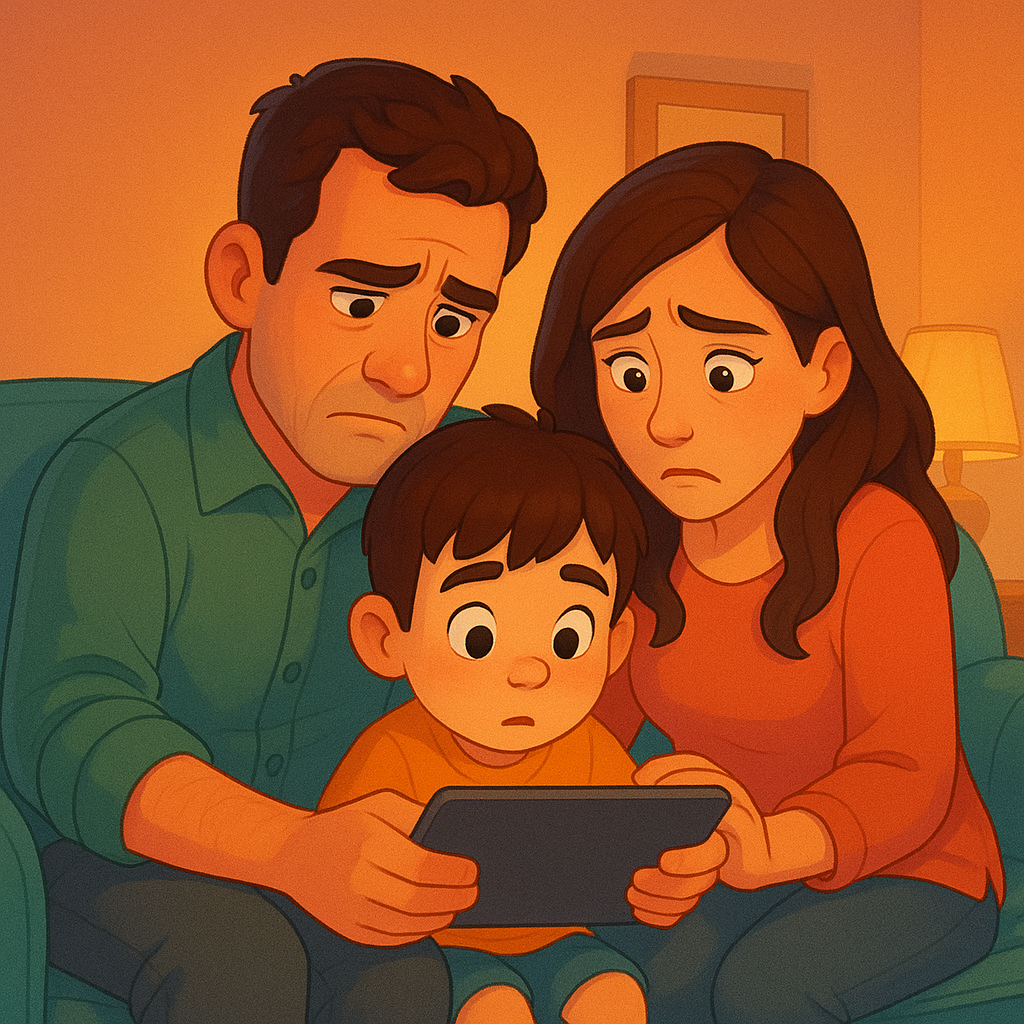
What Christian Parents Need to Know About YouTube Kids in 2025
Many Christian parents searching for "Christian Parents Ask: Is YouTube Kids Really Safe?" are hoping for clarity. Families want to trust that the videos their children watch will be safe, positive, and consistent with biblical values. YouTube Kids is designed to make that promise, but headlines and personal experiences often raise doubts.
From confusing messages about identity and morality to videos that normalize materialism, disrespect, or even occult themes, YouTube Kids can quietly shape your child’s worldview in ways that conflict with biblical truth.
Some parents report positive experiences with YouTube Kids, while others share concerns about content, advertising, and overall influence. The reality is nuanced, especially for those who value faith-based guidance and spiritual formation at home.
In this guide, we’ll unpack the risks, tools, and best practices every Christian parent should know — and why many are choosing TruPlay as a safer, faith-based alternative.
Why YouTube Kids Still Raises Safety Questions for Christian Families
While YouTube Kids is marketed as a safer version of YouTube, it’s still driven by the same algorithm that prioritizes engagement over values. That means the more your child clicks, the more the platform pushes similar content — whether or not it’s appropriate or aligned with your family’s beliefs.
The result? Even “kid-safe” videos often include:
1. Subtle messages undermining biblical values about family, gender, and morality
2. Influencers promoting vanity, consumerism, or rebellious behavior
3. Cartoons with spiritual confusion, magic, or disrespect presented as “funny”
4. Hidden ideologies that contradict Scripture presented as “life lessons”
The danger isn’t always obvious. It’s not just about “bad” videos — it’s about repeated exposure to worldviews that quietly shape your child’s heart and mind.
Why TruPlay Games Is Different:
TruPlay is built from the ground up with biblical truth at its core. Every game, video, and story is intentionally designed to teach character, courage, and God’s Word — not just entertain. With no algorithms promoting random content and no user-generated uploads, parents know exactly what their children will encounter: a safe, ad-free, faith-driven environment.
Common issues Christian families encounter with YouTube Kids:
1. Toxic Content: YouTube content often has inappropriate sexual content that parents don't want their children exposed to.
2. Mindlessness: God is the author of stories in the Bible with beginning, middle and end. YouTube content often has very little concrete narrative or causality and promotes short attention spans.
3. Identity: YouTube content often emphasizes identity based on sexuality or personal grievances, rather than as children of God.
4. Ads and product placements: Although reduced, ads may still appear or be embedded into content.
5. Endless scrolling: Autoplay keeps children consuming content without reflection or limits.
6. Worldview conflicts: Stories that normalize disrespect for parents or authority figures
7. Subtle messaging: Characters modeling attitudes that contradict biblical kindness and self-control
8. Comment toxicity: Inappropriate language or stranger contact in comment sections under "kid-friendly" videos
9. Addictive design: Notifications and endless scrolling that make healthy screen time limits difficult
Even videos that appear innocent can contain messages about identity, relationships, or values that differ from Christian perspectives. For example, some animations include themes supporting materialism, self-centeredness, or attitudes toward family that contradict Scripture.
How TruPlay Solves This:
TruPlay eliminates these concerns entirely. There are no ads, no chatrooms, no autoplay loops, and no content designed to push trends. Instead, your child is immersed in meaningful experiences where biblical lessons are woven into every story and challenge. Screen time becomes purposeful — not passive.
Essential YouTube Kids Settings Every Parent Can Activate
YouTube Kids offers several parental controls that help limit what children can see and do on the platform. These settings don't guarantee complete safety, but they provide important boundaries for faith-focused families.
The most restrictive option is approved-only content, which allows parents to handpick every video and channel available to the child's profile. When this mode is active, children cannot access any content unless it has been specifically approved by a parent or guardian.
Key settings to configure:
1. Turn off search: Prevents children from looking up videos beyond curated playlists2. Set daily screen-time limits: Uses built-in timers to automatically pause playback after a set duration3. Disable autoplay: Stops videos from playing in an endless loop without parent selection4. Review watch history weekly: Provides a list of all recently watched videos for family discussions
These controls are managed through both the YouTube Kids app and Google Family Link. Family Link connects a parent's account to a child's, providing additional oversight across Google services.
How TruPlay Simplifies Safety:
With TruPlay, you don’t have to be the algorithm’s gatekeeper. All content is pre-vetted and biblically aligned, so parents don’t spend time blocking, filtering, or constantly checking watch history. Safety is built-in — not added on.
How to Teach Kids Biblical Discernment While They Watch
Biblical discernment involves evaluating what is seen and heard using Scripture as a guide. Philippians 4:8 provides a framework: "Whatever is true, whatever is noble, whatever is right, whatever is pure—if anything is excellent or praiseworthy—think about such things." This verse gives families a standard for deciding which media deserves attention.
Parents can guide children in thinking critically about content through reflective questions. These conversations help children process what they watch and recognize which messages align with their faith.
Sample questions for family discussions:
1. What choices did the characters make? Were those choices wise or unwise?
2. Did anyone in the video treat others with respect or disrespect?
3. Does this story remind you of anything from the Bible?
4. What do you think God would say about the messages in this video?
Relating content to biblical truth helps children compare what they see online with what Scripture teaches. If a video shows characters forgiving each other, parents can reference stories like Joseph forgiving his brothers in Genesis 45. If a video promotes selfishness, parents might discuss Philippians 2:3, which says to "do nothing out of selfish ambition."
Top Faith-Based Alternatives to YouTube Kids
Many families look for digital platforms that offer Christian values and safe entertainment. Several options provide content specifically designed to align with biblical principles while engaging children through interactive features.
TruPlay Games isn’t just a “Christian version” of a secular app — it’s a fully realized world of faith-driven entertainment that grows with your child. From preschool through pre-teen, kids explore the Bible through engaging stories, immersive games, and meaningful adventures — all while building character and deepening their understanding of God’s truth.The platform includes a parental dashboard for monitoring progress and setting screen time limits.
Bible App for Kids and Superbook provide free access to animated Bible stories and interactive games. These apps introduce children to Scripture through colorful animations and simple activities designed for young learners.
These alternatives often provide better content filtering and values alignment than mainstream platforms, though parents still benefit from previewing content and maintaining open communication about what children experience online.
Emerging Threats Parents May Not Recognize
New technology creates risks that traditional parental controls don't address. Two significant developments are artificial intelligence deepfakes and kidfluencer advertising tactics.
Deepfake technology uses AI to create fake videos that look and sound real. In children's content, this might appear as familiar cartoon characters speaking words or performing actions they never actually did. These manipulated videos can confuse children about what is authentic.
Kidfluencer advertising involves children or young creators featuring products in their videos without clear disclosure. A video might include a favorite toy or snack, but it's not always obvious that this is paid promotion. This type of marketing blends into regular playtime content, making it difficult to recognize as advertising.
Warning signs to watch for:
1. Unnatural character behavior: Familiar characters acting inconsistently with their established personalities2. Excessive product focus: Videos that seem more like commercials than entertainment3. Missing disclosure labels: Content lacking clear "Sponsored" or "Ad" indicators
Some browser extensions and apps can help identify manipulated content, but the most reliable protection remains active parental engagement and regular conversation about what children are watching.
Why TruPlay Is Future-Proof:
Because TruPlay is human-curated and mission-driven, it’s not vulnerable to algorithmic drift or hidden advertising. Every piece of content is reviewed to ensure it reflects Christian truth and supports parents’ discipleship goals.
When to Restrict Access or Find Alternatives
Deciding whether to allow YouTube Kids, require co-viewing, or replace it entirely involves careful consideration of each child's maturity and the family's values. This decision framework avoids rigid rules and focuses on discernment and relationship.
Age alone doesn't determine readiness for platforms like YouTube Kids. Consider a child's ability to distinguish between fiction and reality, recognize advertising, and communicate honestly about confusing content. Some children demonstrate these skills earlier than others.
Creating a family media mission statement helps clarify shared beliefs and boundaries. This might include values about kindness, truthfulness, and respect, as well as specific convictions about content types or screen time limits.
Factors to consider:
1. Emotional regulation: Can the child pause and ask questions when confused or upset?2. Critical thinking: Does the child recognize when characters make poor choices?3. Communication: Is the child comfortable discussing what they've seen?4. Self-control: Can the child stop watching when time limits are reached?
Regular breaks from digital entertainment—sometimes called a Sabbath from screens—allows families to focus on conversation, worship, and rest. This practice can be adapted to fit each family's schedule and convictions while creating space for spiritual reflection.
Practical Steps for Safer Faith-Filled Screen Time
Christian families can take concrete actions to create a healthier digital environment. These steps combine practical safety measures with opportunities for spiritual growth and family connection.
Family prayer invites God into the process of choosing and using media. Praying about digital choices encourages everyone to seek biblical wisdom for what is viewed, discussed, and valued. This practice helps families maintain focus on Scripture as they navigate technology together.
Setting aside time each week for family members to discuss what they've watched keeps communication open. During these check-ins, parents and children can address questions or concerns about digital content while supporting ongoing conversations about faith and wise choices online.
Weekly family media check-in questions:
1. What was your favorite video this week and why?
2. Did you see anything that confused or bothered you?
3. How did the characters in your videos treat each other?
4. What did you learn about God or faith from what you watched?
As a writer for TruPlay Games, I've seen how interactive Bible-based content can engage children while teaching biblical truth. Our RhymVerse adventures feature characters who face real challenges but rely on God's strength and wisdom. Unlike many mainstream options, our villains remain clearly evil while our heroes demonstrate faith, courage, and love.
Get started with your free 7-day trial today and turn game time into God time for your family. Download the TruPlay app from the Apple App Store or Google Play to discover safe, engaging, and faith-filled entertainment designed specifically for children.
FAQs About YouTube Kids Safety for Christian Families
What age is appropriate for children to start using YouTube Kids?
Most child development experts recommend waiting until at least age 6-8 before introducing any YouTube content. Children at this stage typically can better distinguish between fiction and reality while understanding basic internet safety concepts.
Can parents completely remove all advertisements from YouTube Kids without paying for premium?
YouTube Kids includes fewer ads than regular YouTube, but complete ad removal requires a YouTube Premium subscription or third-party ad-blocking tools that may not work consistently across all devices.
How can parents verify whether Christian-labeled YouTube channels actually teach biblical truth?
Parents can preview content themselves, check channel descriptions for doctrinal statements, and compare video teachings with Scripture before allowing regular viewing. Many channels labeled "Christian" may not align with orthodox biblical teaching.