Great Stories Need Great Villains
2/13/2025
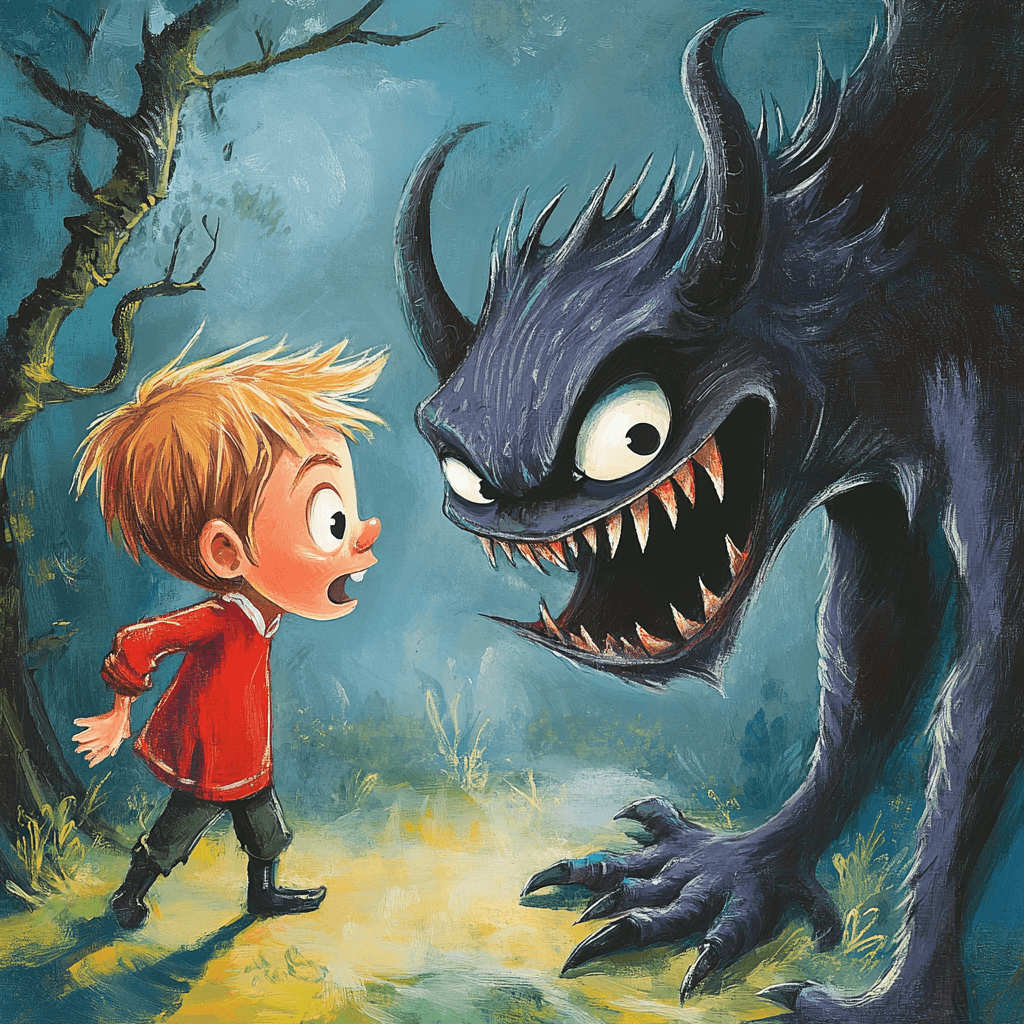
Much of the video game and streaming content for children today seems intentionally creepy and disgusting. Like The Ghoul in The Fallout TV show and video game, or one of the villains in the Danny Phantom game and animated TV show, who is trying to kill Danny’s dad to marry his mother.
As games and movies for kids’ get darker and onscreen depictions more and more twisted, it’s natural to long for lighter fare—and parents certainly need to curate the content their children are absorbing. We should never allow young hearts and minds to be traumatized by horrifying depictions of evil.
That said, however, great stories need not only great heroes; they need great villains too. We know this instinctively. It’s a knowledge that goes back, way back, all the way to the Genesis Garden where a serpent enticed the first humans with slithering lies and half-truths.
We know, deep in our bones, that such is the state of our world—and ourselves. We know not only that we live among forces and creatures that are defined by good and evil, but that (as Solzhenitsyn said), “the line separating good and evil passes not through states, nor between classes, nor between political parties either—but right through every human heart—and through all human hearts.” We also know (from scripture and from experience) that we engage in daily struggle “against principalities, against powers, against the rulers of the darkness of this world, against spiritual wickedness in high places” (Ephesians 6:12 KJV).
For these reasons, the mobile games we create at TruPlay feature villains large and small that are intended to reflect in our fictional universe the true state of things outside that universe. For example, like Satan, the “father of lies” (John 8:44 NIV), there is a villain in our game universe who looms larger than all others. And there are other bad guys too—such as Goliath, Nebuchadnezzar, and even the lies we tell ourselves—that wreak havoc in our stories and games in all kinds of ways.
This is key, however: the villains in our games, comic books, and videos are not intended to traumatize, but to depict and reflect the truth in imaginative and age-appropriate ways. They fulfill crucial roles and important functions in the stories we tell. They’re intended not to terrify but to teach, helping even the youngest players recognize a reflection of themselves, their lives, and their moral and spiritual struggles.