Five Common Signs of Childhood Anxiety
12/6/2024
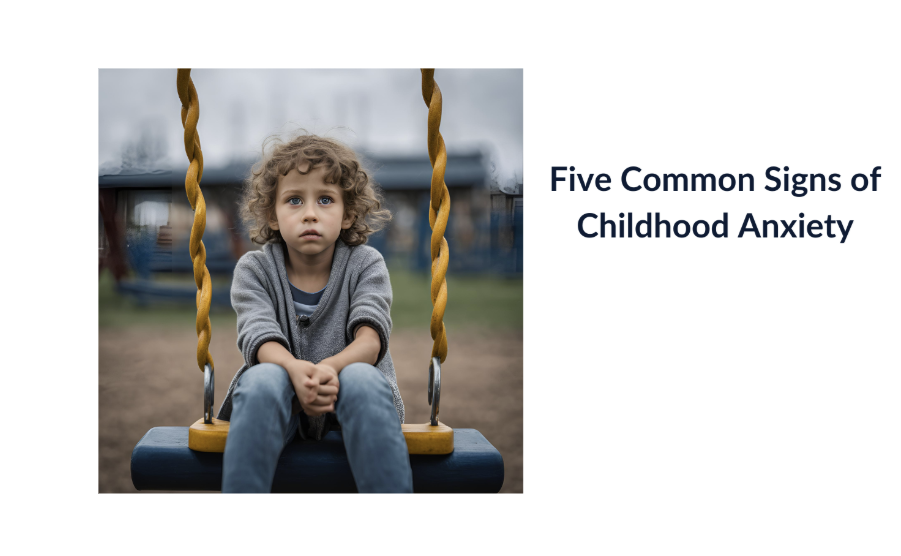
Childhood anxiety is a common phenomenon, and can become a serious problem if not addressed. Here are some signs to look for.
Childhood anxiety is a common phenomenon. We all remember being afraid of something when we were children, whether it was a nightmare, the dark, or the mean kids at school. But usual fears and temporary flashes of anxiety can become a problem if not addressed, particularly if a traumatic event has occurred or if there is a high degree of conflict. If symptoms persist over several months, it is cause for parental concern. It may require treatment and a serious look into what might be the cause. The following are the most common symptoms to look for:
Emotional dysregulation
Emotional dysregulation is an easily dismissed symptom. After all, kids cry and have temper tantrums. We are often tempted to minimize these outbursts, attributing them to personality or a situation. However, if well-being is one of the primary signs of mental health, angry outbursts or prolonged crying over an extended period may signal a deeper problem.
Difficulty sleeping or regular nightmares
Anxiety produces stress hormones, which can make rest difficult. Additionally, frequent nightmares can produce a fear of sleep. Nightmares themselves are a normal childhood phenomenon until they become a recurring issue. It can become a concern if a child resists bedtime or cannot sleep alone. Of course, most children resist bedtime to a degree. But if fear or anger are a component of that resistance, more investigations may be warranted.
Tummy aches and frequent bathroom trips
Anxiety often reveals itself in the body, most commonly in the digestive system. Both diarrhea and constipation are common physical symptoms of anxiety. Stomach pain is also frequent in childhood anxiety. Again, the occasional digestive issue is common enough. But, a doctor should examine persistent abdominal pain and elimination issues, and anxiety should be discussed as a cause.
Fear Signals
Fear looks like physical shaking, an inability to concentrate, and constant worrying. Not all children suffering from childhood anxiety exhibit these symptoms, but if a child is verbalizing fear regularly, suffers from an inability to concentrate on tasks, or shakes, it should be taken seriously. Again, the difference between a normal occurrence of fear and a more severe issue is the frequency and severity of these symptoms. Parents can dismiss childhood fears as extensions of a sensitive personality or a reaction to an event. However, if comforting a fearful child is a daily task, investigation is merited.
Change in Appetite
A child’s relationship to food can sometimes signal a mental health issue. Excessive hunger, craving sugar constantly, or conversely, refusing to eat are red flags when it comes to good mental health. Overeating creates a discomfort that distracts the brain from worry, leading to an unhealthy reliance on food. This defense mechanism often carries on into adulthood, causing various health problems. Refusing food can be a mechanism through which an anxious child controls their environment. Either way, both symptoms need to be closely monitored to avoid an eating disorder later on in life.
Once a parent suspects an anxiety disorder, possible causes should be looked into. Those include a recent death in the family, a move, a divorce, bullying at school, and any other traumatic event. Often, it isn’t difficult to ascertain the cause of anxiety. Sometimes, childhood anxiety is overlooked by parents because they are anxious. Parents sometimes normalize the symptoms because they do not recognize anxiety in themselves.
How TruPlay Games Can Help
Another issue is the content that a child consumes. As screen time has drastically increased over the last couple of decades, so has childhood anxiety. Studies have found direct links between violence on screen and anxiety in children. Policing the content a child consumes is crucial for good mental health. The younger a child is exposed to violence, sexual content, and other inappropriate content, the greater the effect it has on the child. Positive content, however, can also have a lasting influence on a child. Mister Rogers was a crusader in creating wholesome content that comforted generations of children and taught emotionally healthy interactions.
At the forefront of the mobile games market is TruPlay Games, a platform dedicated to modeling emotionally resilient and morally upright characters of faith. Though it’s obviously anecdotal evidence, one testimonial from a parent lends credence to the power of positive content. Her son had suffered a prolonged fear of going to the bathroom by himself. But quoting one of the main characters in the TruPlay Games platform, the mother witnessed a bit of a miracle. She heard him say to himself a line taken directly from one of the games, “God tells me to be strong and courageous!” Then she witnessed him square his shoulders and march unaccompanied into the bathroom for the first time.
The fight against childhood anxiety is a winnable one. However, the results can carry on into adulthood if it goes undetected and unaddressed. We need to be patient and detailed observers of our children, ensuring we build a platform of emotional health under them so they can face the challenges that life will inevitably throw their way.
How to Learn More About TruPlay Games
TruPlay's website (TruPlayGames.com) clearly details the app's offerings, and free downloads, trials, and gift subscriptions are available in both the Apple App Store and GooglePlay. Explore the following links to unlock a richer Christmas experience for your kids:
● https://www.truplaygames.com/games-more
● https://www.truplaygames.com/user-registration